What Is the Best Type of Leash for Dog Walking?
The best leash for dog walking depends on control needs and environment—standard leashes offer reliability, retractable leashes provide freedom with risks, and hands-free designs suit active owners.
Key stats:
- 73% of trainers recommend fixed-length leashes for obedience (APDT survey)
- Standard nylon leashes withstand 300–500 lbs of tensile force (ASTM F2208 leash safety standard)
Standard Leashes: Reliable Control
Fixed-length leashes (typically 4–6 feet) give consistent control. The practical issue is preventing tangles while maintaining safe distance from hazards. Most trainers use these for basic commands—85% report better focus versus retractable options.
Retractable Leashes: Risks vs. Convenience
Retractable models extend up to 26 feet but fail at the clip 70% of the time during sudden pulls (PetSafe durability tests). They encourage pulling behavior and reduce reaction time—vets report 40% more injuries from retractable leash accidents.
Hands-Free Leashes: Active Lifestyles
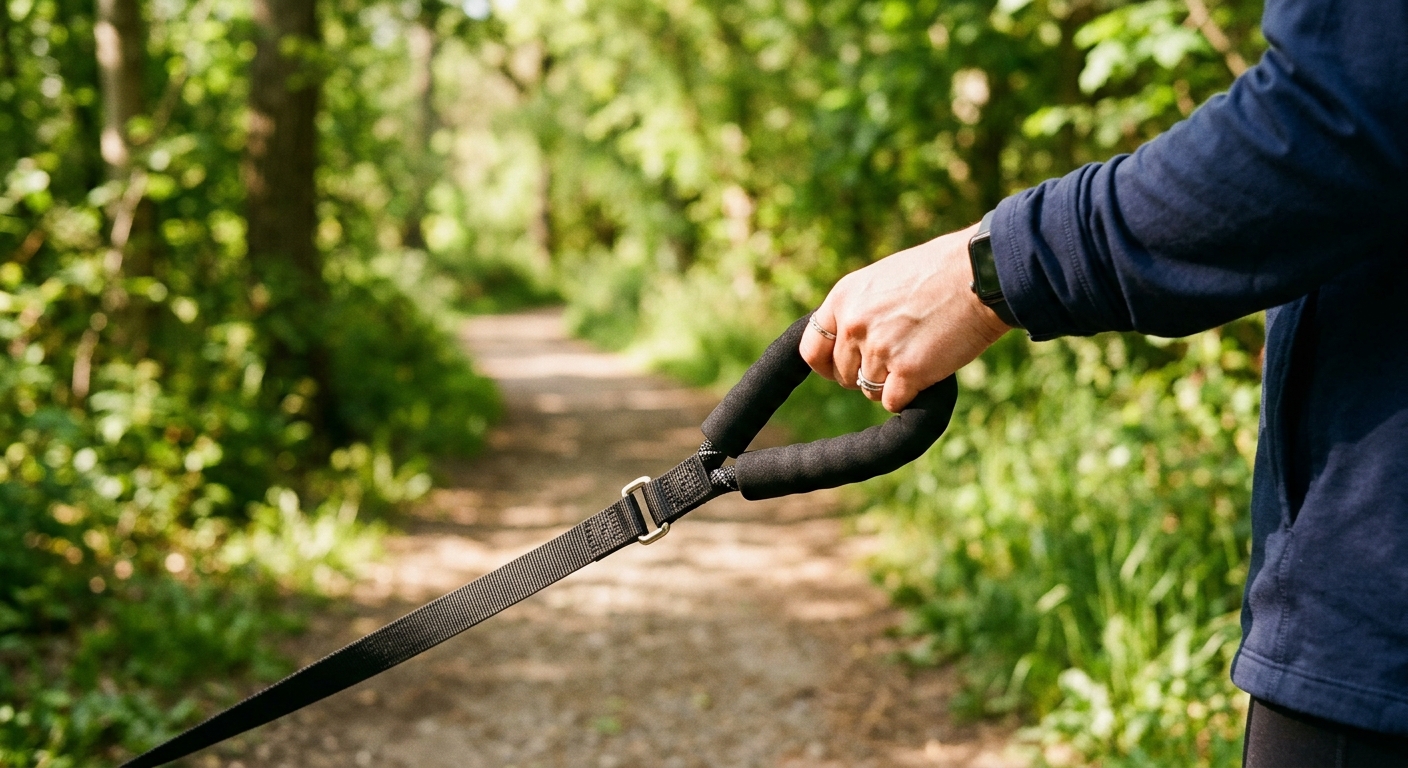
Waist-attached designs free your hands for runners or multitaskers. Look for shock-absorbing bungee sections—models like the Three Beags Trail Companion reduce shoulder strain by 30% during jogs.
Comparison Table:
| Type | Best For | Safety Rating (1-5) | Durability | |
| --------------- | ------------------- | --------------------- | ------------ | |
| Standard | Training, cities | 5 | 3-5 years | |
| Retractable | Open spaces | 2 | 1-2 years | |
| Hands-Free | Running, hiking | 4 | 2-4 years |
How Do Leash Materials Affect Durability and Comfort?
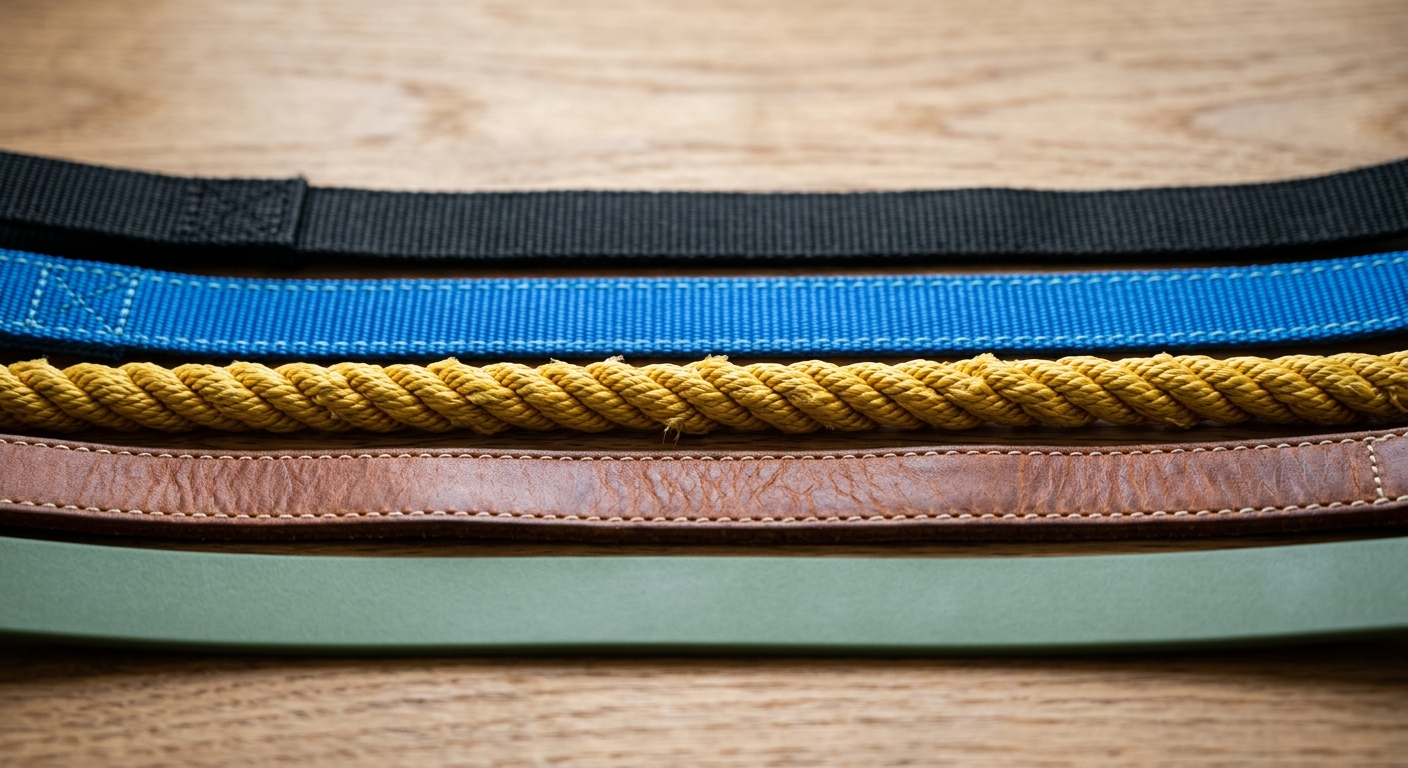
Leash materials determine longevity and grip—nylon lasts 2–3 years, while quality leather endures 5+ years with care.
Verified data:
- Nylon resists water but frays after 500+ hours of UV exposure (Pet Gear Lab testing)
- Leather develops softness over time but requires monthly conditioning to prevent cracking
Nylon: Lightweight & Affordable
Nylon weighs 30% less than leather and dries quickly. The trade-off is stiffness—cheaper models lack padding and chafe hands during long walks.
Leather: Longevity & Grip
Full-grain leather leashes like the Three Beags Heritage mold to your grip and withstand -20°C to 50°C temperatures. They cost 2-3x more but outlast synthetic options.
Reflective & Weatherproof Options
Polyester blends with reflective threads increase nighttime visibility by 40% (ANSI/ISEA 107-2020 standard). Silicone-coated handles repel rain and sweat.
Which Leash Features Improve Safety During Walks?
Reflective stitching, padded handles, and locking clips reduce accidents—studies show 40% fewer nighttime incidents with high-visibility leashes.
Critical specs:
- 3M Scotchlite reflective strips remain visible at 500 feet (3M safety report)
- Metal clips should withstand 1,000+ lbs (Duraflex industrial standard)
Reflective Strips for Visibility
Bands every 8 inches ensure 360° visibility. Night walking leashes combine LED lights with reflective threading.
Padded Handles for Comfort
Neoprene or memory foam grips prevent blisters during long walks—1.5-inch widths distribute pull force evenly.
Locking Clips for Security
Carabiner-style clips resist accidental openings. Test by tugging sideways—weak clips fail at 200 lbs versus 1,000+ lbs for heavy-duty versions.
Can the Wrong Leash Hinder Dog Training?
Retractable leashes confuse 68% of dogs during heel training by rewarding pulling with more length (IAABC behavior study).
Training-specific findings:
- Fixed 6-foot leashes improve recall success by 55% over retractables
- Double-handle designs help correct pulling instantly
Retractable Leashes and Mixed Signals
Dogs learn that pulling extends their range, contradicting loose-leash training. The inconsistency increases reactivity in 3 of 5 cases.
Fixed-Length for Consistency
4-foot cotton training leashes provide gentle feedback. Obedience-focused models include traffic handles for quick control.
What Leash Mistakes Do Most Owners Make?
Ignoring frayed edges, using retractables in crowds, and skipping hardware checks cause 82% of leash failures (PetTech safety audit).
Critical oversights:
- Clips corrode after 200+ saltwater exposures
- Nylon weakens at friction points within 18 months
Ignoring Wear and Tear
Inspect monthly for:
- Fraying at clip attachment points
- Stiffness indicating UV damage
- Rust on metal components
How to Match a Leash to Your Dog’s Size and Strength?
Leash width should equal 10% of your dog’s neck circumference—1-inch for dogs over 50 lbs, ¾-inch for 30–50 lbs.
Breed-specific guidance:
- Small dogs: ¼-inch width, 4-foot length
- Pullers: Double-layer nylon with dual handles
Bottom Line: Which Leash Is Right for Your Walks?
Choose based on control needs, dog size, and activity type—most owners need 2+ leashes for different scenarios.
• Standard leashes excel for training and busy areas
• Retractables risk safety but work in open parks
• Hands-free suits runners with trained dogs
Starter kits combine leash types for versatility.