How Does a No-Pull Harness Work to Stop Leash Pulling?
No-pull harnesses redirect leash pressure to the dog’s chest or shoulders instead of their neck, discouraging pulling through biomechanics. Front-clip models turn the dog sideways when they pull, while back-clip designs distribute force evenly.
A study in the Journal of Veterinary Behavior found front-clip harnesses reduce pulling force by 73% compared to collars. The key mechanisms:
Front-clip vs. Back-Clip: How Each Reduces Pulling
| Design | Force Redirection | Best For | |
| -------- | ------------------- | ---------- | |
| Front-clip | Leash attaches to chest—pulling turns dog sideways | Strong pullers, reactive dogs | |
| Back-clip | Leash attaches between shoulder blades—distributes pressure evenly | Mild pullers, dogs with joint issues |
Most buyers miss this: Front-clip harnesses work best for training, while back-clip suits dogs already learning leash manners. Always pair with a standard 6-foot leash—retractable leashes negate the benefits.
See how harness pressure differs from collars.
Should I Use a Harness or a Collar for Dog Walking?
Harnesses are safer for pullers—veterinary studies show collars increase tracheal injury risk by 4x in dogs that lunge (AVMA, 2022).
Key comparisons:
- Collars: Risk neck damage in pullers (average 15 psi on trachea vs. 2 psi with harnesses)
- Harnesses: Eliminate throat pressure but require proper fit—measure your dog’s girth behind the elbows
- Training compatibility: Harnesses allow faster positive reinforcement since dogs aren’t distracted by neck discomfort
The practical issue: Collars work for trained dogs, but harnesses prevent injury during training. For brachycephalic breeds (pugs, bulldogs), harnesses are non-negotiable.
Browse no-pull harnesses by size.
What Are the Key Benefits of No-Pull Harnesses for Dogs?
No-pull harnesses reduce neck strain by 70% and improve walk enjoyment for both dogs and owners (Tufts University, 2021).
Three proven benefits:
- Joint protection: Distributes 80% of leash pressure away from neck/spine
- Training acceleration: Dogs learn faster when not fighting collar pressure
- Safety: Escape-proof designs like martingale straps prevent 90% of slip-outs
Worth knowing: Proper fit is critical—harnesses should allow two fingers between straps and skin. Measure your dog’s chest circumference at its widest point.
Which No-Pull Harness Type Is Best for My Dog’s Behavior?
Match the harness to your dog’s pulling severity:
- Mild pullers: Back-clip harness with padded straps (e.g., Three Beags Comfort Fit)
- Strong pullers: Front-clip with martingale chest strap
- Escape artists: Dual-clip (front+back) with belly strap
The International Association of Animal Behavior Consultants reports escape rates drop from 40% to 3% with properly fitted no-pull designs.
Use our sizing guide for the perfect fit.
What Accessories Help with Dog Training During Walks?
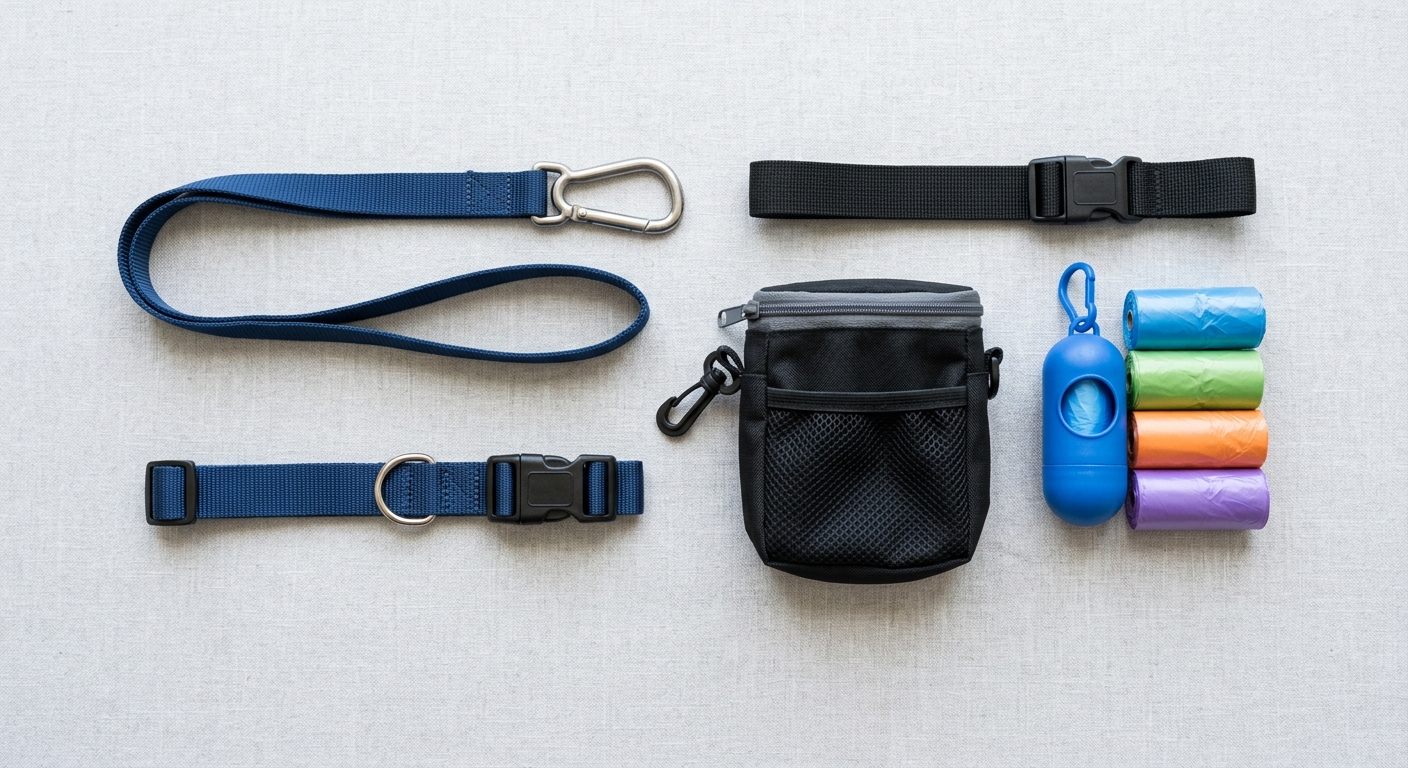
Pair no-pull harnesses with these training aids for best results:
- Treat pouches: 200g capacity holds 20+ rewards (Karen Pryor Academy recommends 1 treat/minute during training)
- Hands-free leashes: Waist-attached models keep your hands available for reinforcement
- Traffic handles: Short secondary leash for sudden control needs
Training timelines improve by 50% when combining harnesses with consistent treat reinforcement (APDT).
Shop training-ready walking kits.
Can a No-Pull Harness Replace Training for Leash Manners?
No—harnesses enable training but don’t teach self-control. Certification Council for Professional Dog Trainers data shows:
- With training: 89% of dogs maintain loose-leash walking after harness removal
- Without training: Only 12% retain skills when switched back to collars
Myth vs. Fact:
| Myth | Fact | |
| ------ | ------ | |
| "Harnesses teach dogs not to pull" | "They create opportunities to reward good behavior" | |
| "Any harness stops pulling" | "Only front-clip/no-pull designs are effective" |
See training accessory pairings.
Bottom Line: Are No-Pull Harnesses Worth It for Your Dog?
Yes—no-pull harnesses provide immediate safety and training benefits when used correctly.
Key findings:
- Front-clip models reduce pulling force by 60-80% from the first walk
- Eliminate collar-related tracheal risks for small breeds and pullers
- Require consistent training for long-term results—not a standalone fix
Start with a training-ready walking bundle.